Blog Article

Data-driven talent decisions have become the standard expectation in modern business, yet implementation remains inconsistent. While the workforce analytics market surges toward $5.53 billion by 2030, a significant maturity gap persists between organizations leveraging people data effectively and those operating on intuition. Companies pulling ahead aren't just collecting more data; they're applying it to solve actual problems, from predicting turnover to redesigning workloads that prevent burnout.
What separates leaders from laggards? The answer lies in how organizations approach the emerging trends that are reshaping the field. As hybrid work becomes permanent and economic pressure demands efficiency, analytics practices that worked two years ago no longer suffice.
Let's take a look at the ten workforce analytics trends defining competitive advantage in 2026.
What are Workforce Analytics?
Workforce analytics is the practice of collecting, analyzing, and interpreting employee data to make smarter decisions about how teams are built, managed, and grown. Rather than reacting to turnover after people leave or scrambling when projects miss deadlines, workforce analysis gives leaders visibility into patterns before they become problems, pulling data from HR systems, collaboration tools, calendars, and performance platforms.
Modern workforce analytics combines multiple sources to reveal organizational health. When a workforce analytics dashboard shows your engineering team has less than 10 hours weekly for deep work while sales can't prospect, you're seeing problems you can solve. This transforms HR from reactive support into strategic partnership.
Workforce Analytics vs. People Analytics vs. HR Analytics
These terms get used interchangeably, but they represent distinct lenses on organizational data.
HR analytics focuses on operational efficiency, tracking time-to-hire, cost-per-hire, benefits utilization, and compliance. When HR teams optimize recruiting or streamline onboarding operations, they're using HR analytics for process improvements.
People analytics examines employee behavior, experience, and development and how these affect performance, engagement, and retention. People analytics answers "Why are employees disengaged?" or "What predicts high performance?"
Workforce analytics connects people data with operational metrics, financial indicators, and strategic goals to show how work gets done and how talent drives results. You see relationships between meeting load and productivity, skills gaps and revenue, or workload and burnout. This comprehensive approach is most useful for HR professionals and business leaders planning sustainable growth.
10 Workforce Analytics Trends Shaping HR in 2026
1. Predictive Analytics Becomes Standard Practice
Organizations have moved beyond looking in the rear view mirror to anticipate what's ahead. Predictive workforce analytics uses historical patterns to forecast turnover risks, skill shortages, and capacity constraints. Nearly 50% growth in adoption over three years reflects this shift from reactive to proactive management. Instead of discovering understaffing during peak season, predictive models help plan hiring six months ahead.
How it improves HR: Leaders prevent problems before they escalate, addressing overwork signals before burnout or identifying flight risk employees while there's time to intervene.
2. Prescriptive Analytics Drives Action
Prediction without recommendation leaves leaders asking, "Now what?" Prescriptive analytics models scenarios and recommends specific actions to achieve outcomes. This means testing "what-if" scenarios before implementing changes, like seeing how shifting schedules will impact output before actually making the change.
How it improves HR: Teams make faster, more confident decisions across workforce planning strategies because they see projected outcomes before committing resources.
3. Finance-Driven Workforce Analytics
As economic pressure mounts, finance and HR partnerships deepen around workforce cost optimization. Finance-driven analytics aligns labor costs with strategic priorities, identifies real-time cost savings, and improves forecasting accuracy. This reflects CFOs demanding the same rigor in people decisions as capital investments.
How it improves HR: When HR speaks the language of finance through data, they gain credibility and influence at the executive table, securing budgets that demonstrably drive business value.
4. Transparency-First Data Collection
The era of surveillance-style monitoring is ending as organizations recognize that trust drives performance. Transparency-first approaches involve openly sharing what data is collected and giving employees access to their own analytics before managers see them. Many companies now provide employees a full month of personal insights before supervisors receive reports.
How it improves HR: Building trust through transparency strengthens relationships, increases tool adoption, and surfaces insights that help individuals optimize performance rather than feeling monitored.
5. Skills-Based Workforce Modeling
Traditional role-based planning gives way to skills-based approaches mapping capabilities across the organization and identifying gaps. Skills-based modeling enables internal mobility by matching people to opportunities based on abilities rather than titles, to help organizations adapt as needs shift. This connects to HR trends around career pathways.
How it improves HR: Organizations reduce external hiring costs by discovering hidden talent internally, while employees gain clearer visibility into career progression based on skill development.
6. Real-Time Workforce Dashboards
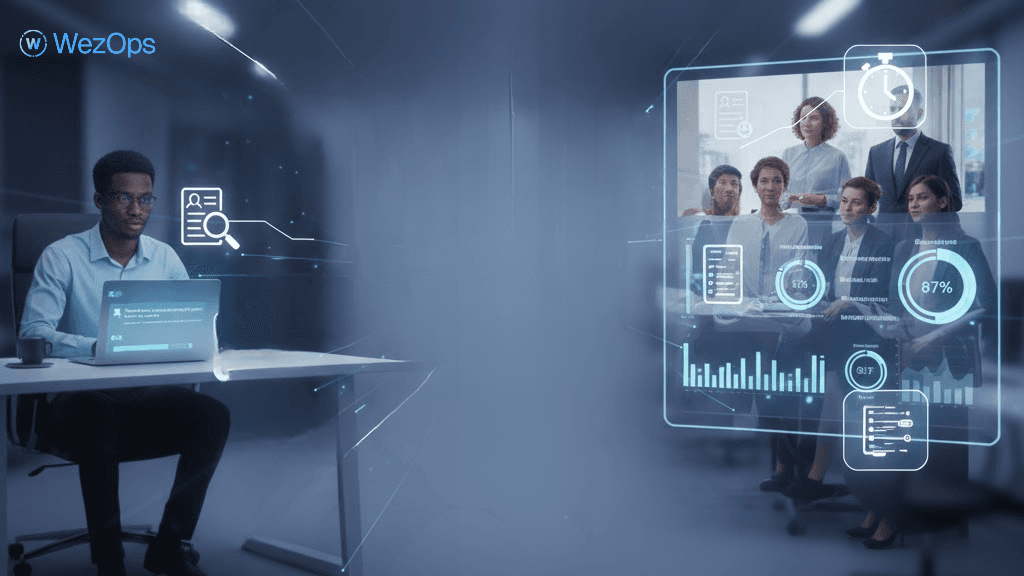
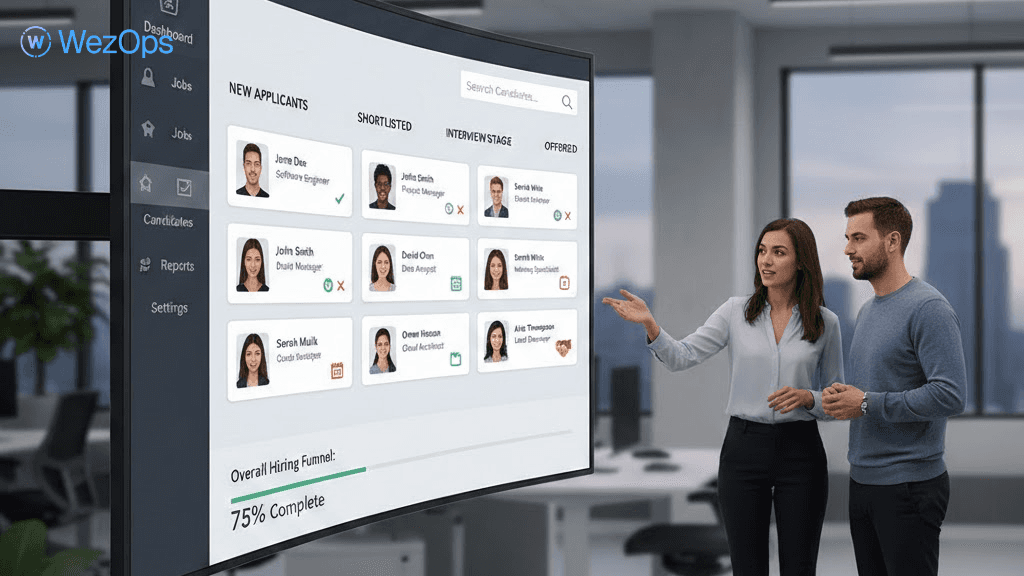
Static quarterly reports can't keep pace with today's business velocity. Real-time workforce analytics dashboards provide live views of team capacity, engagement signals, hiring pipeline status, and productivity metrics updated continuously rather than monthly.
How it improves HR: Leaders spot emerging issues immediately, whether a spike in after-hours work signaling burnout or a slowdown in candidate pipeline requiring recruiting adjustments.
7. Time-Use Analytics and Calendar Intelligence
Traditional employee analytics tracked outputs but missed how work feels daily. Time-use analytics reveals meeting intensity, focus time availability, and collaboration rhythms by analyzing calendar data. Organizations discover that teams with wall-to-wall meetings produce less even when working longer hours.
How it improves HR: When time spent by teams is understood, leaders can redesign schedules, protect focus time, reduce meeting overload, and create sustainable workloads.
8. Ethical AI Governance in Workforce Analytics
As AI becomes embedded in workforce decisions, organizations establish ethical frameworks preventing algorithmic bias and protecting privacy. This includes regular AI audits, diverse training datasets, transparent algorithms, and clear protocols for human oversight on high-stakes decisions.
How it improves HR: Organizations build trust with fair, explainable processes rather than "black box" decisions, while reducing legal risk from discriminatory practices.
9. Integrated Platform Analytics
Organizations consolidate around integrated platforms connecting HRIS, collaboration tools, project management, and calendar data into unified views. This eliminates data silos that previously prevented holistic workforce understanding.
How it improves HR: Single-source-of-truth platforms reduce administrative burden, eliminate conflicting reports, and provide comprehensive views supporting better decisions without manual data reconciliation.
10. Employee Experience Analytics
Beyond annual engagement surveys, organizations can now track continuous experience signals across the employee lifecycle, including onboarding completion, time-to-productivity, internal mobility patterns, learning engagement, and exit themes that are analyzed in real-time.
How it improves HR: Continuous feedback allows rapid iteration on programs rather than waiting months to discover initiatives aren't working, while early warnings enable proactive intervention before dissatisfaction leads to turnover.
What to Do Next
The gap between organizations leveraging these trends and those operating on spreadsheets is widening rapidly. Leaders who wait for perfect clarity will find themselves behind competitors making faster talent decisions. The good news is you don't need all ten trends simultaneously; starting with 2-3 to address your most pressing challenges builds momentum.
Begin by identifying your biggest workforce pain point now. Is it retention in critical roles? Difficulty forecasting hiring needs? Teams drowning in meetings? Pick the trend that most directly addresses that problem, implement a pilot with one team, and measure impact over 90 days. Use those results to secure buy-in and budget for expanding successful initiatives.
Ready to transform your talent operations with workforce analytics that drive real results? The team at WezOps helps organizations implement analytics strategies that connect their people data to business performance, from platform selection through dashboard design to change management ensuring adoption.
FAQs
What's the difference between workforce analytics and HR metrics?
HR metrics track operational efficiency within the HR function (time-to-hire, cost-per-hire), while workforce analytics combines people data with business outcomes to show how work gets done and how talent drives results. Workforce analytics is strategic and forward-looking, whereas HR metrics are tactical and process-focused.
How do I get started with workforce analytics without a dedicated team?
Start with data you already have. Pull basic metrics from your HRIS (turnover, time-to-fill, headcount), add calendar data if accessible, and create a simple dashboard tracking 5-7 core indicators. Demonstrate value with this focused effort before expanding scope or requesting dedicated resources.
What are the biggest risks in implementing workforce analytics?
The three most common pitfalls are privacy violations from collecting too much personal data without governance, bias amplification when AI learns from discriminatory historical patterns, and analysis paralysis where teams build dashboards but never act on insights. These can be mitigated by establishing data governance policies before collection, regularly auditing algorithms for bias, and tying every metric to specific decisions or actions.
Related Articles