Blog Article
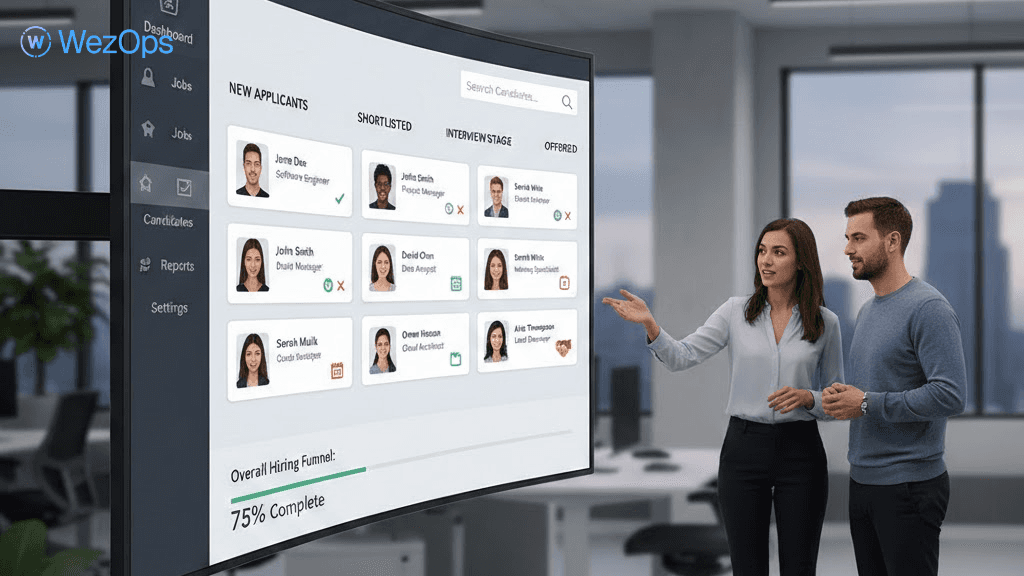

Hiring in 2026 is faster, more automated, and more competitive than ever. Recruiters are no longer just managing resumes, they’re running systems that connect sourcing, screening, interviews, onboarding, and analytics. That’s why choosing the right applicant tracking software has become a strategic decision, not just a tech one.
When employers evaluate the top ATS platforms today, they’re not asking “Does it post jobs?”—they’re asking:
Can it support a modern talent acquisition process?
Does it connect smoothly with our wider talent operations system?
Will it scale as hiring becomes more complex?
Based on what consistently appears in serious enterprise, mid-market, and scaling-team evaluations, these are the Top 10 ATS Platforms that repeatedly make the shortlists.
What Makes an ATS Worth Shortlisting in 2026?
Before jumping into the list, it helps to understand what buyers now expect from applicant tracking systems.
In 2026, a strong ATS is expected to do more than job tracking. It must sit comfortably inside a broader ecosystem of HR and talent tools, support automation in HR operations, and give leaders visibility into how hiring affects business outcomes.
Shortlisted platforms usually share these traits:
Automation that removes repetitive recruiter tasks
Deep reporting and analytics for smarter decisions
Integration with HRIS, payroll, and onboarding tools
Tools for structured, bias-aware hiring
Flexibility to fit different hiring models
Whether you’re a recruiter, a talent leader, or part of HR operations, your ATS is now the backbone of how talent flows into your organization.
Top 10 ATS Platforms for 2026
Each of the platforms below shows up again and again in serious buying conversations, not because they’re trendy, but because they solve real hiring problems at scale.
1. Greenhouse — Structured Hiring, Done Right
Greenhouse ATS has built its reputation around one powerful idea: hiring should be structured, fair, and data-driven. That philosophy shows up in everything from interview scorecards to hiring plans and feedback workflows.
In 2026, Greenhouse continues to dominate serious shortlists, and it was ranked #1 ATS in G2 Winter 2026 reports. But what really keeps it relevant is how well it supports teams that care about consistency.
Greenhouse shines when organizations want:
Clear hiring stages with defined criteria
Interview kits that reduce bias and guesswork
Strong integrations with sourcing and assessment tools
Reporting that shows where hiring breaks down
For scaling companies, Greenhouse often becomes the central engine of their talent acquisition process, connecting recruiters, hiring managers, and leadership around one shared hiring framework.
2. iCIMS — Built for Complex, Global Hiring
iCIMS is designed for organizations that don’t hire in simple ways. Enterprises with multiple regions, brands, and compliance needs often land here.
It offers more than just applicant tracking software, it combines ATS, CRM, career sites, and onboarding in one environment. That makes it attractive for organizations trying to centralize their entire hiring journey.
Teams choose iCIMS when they need:
Global compliance and localization
Career site customization
Candidate relationship management
Strong enterprise support
For large organizations, iCIMS often becomes a core part of their talent operations system, sitting alongside HRIS and workforce planning tools.
3. SmartRecruiters — Hiring at Enterprise Scale
SmartRecruiters is built for volume, collaboration, and global reach. It’s known for its marketplace approach, where organizations can plug in tools for assessments, video interviewing, sourcing, and more.
It was named a Leader in the 2025 Gartner Magic Quadrant for Talent Acquisition Suites, and that reputation carries into 2026.
SmartRecruiters stands out for:
High-volume job tracking
Collaboration between recruiters and hiring teams
Marketplace of recruiting apps
Global hiring workflows
For companies hiring hundreds or thousands of people a year, SmartRecruiters turns online candidate tracking into a structured, scalable operation.
4. Oracle Fusion Cloud Recruiting — Deep Enterprise Integration
Oracle Fusion Cloud Recruiting is not just an ATS, it’s part of Oracle’s massive HCM ecosystem. That makes it especially attractive for enterprises already using Oracle for HR, finance, or operations.
What makes it compelling is how tightly recruiting connects to workforce planning, performance, and analytics.
Organizations choose Oracle when they want:
One system from hire to retire
Enterprise-grade security and compliance
Advanced workforce analytics
Global process control
In these environments, recruiting isn’t isolated, it’s part of a larger strategy powered by automation in HR operations.
5. Workday Recruiting — Hiring Inside the HR Core
Workday Recruiting is embedded directly into Workday’s HR platform. Instead of being “just another tool,” it becomes part of how employee data flows across the organization.
Named a Leader in the 2025 Gartner MQ for TA Suites, it’s especially popular among enterprises that want fewer disconnected systems.
Workday Recruiting supports:
Internal mobility and referrals
End-to-end HR data flow
Workforce and hiring analytics
Global compliance
For many companies, it turns recruiting into a natural extension of everyday HR operations.
6. SAP SuccessFactors Recruiting
SAP SuccessFactors has long been a major player in enterprise HR. With SAP’s announcement of acquiring SmartRecruiters, the ATS landscape shifted.
This move signals a future where enterprise ATS platforms become even more tightly tied to core HR systems.
Why this is good for large organizations:
Strong global compliance tools
Deep HCM integration
Workforce and talent analytics
Long-term vendor stability
For SAP customers, recruiting is becoming less of a standalone tool and more of a strategic layer inside enterprise talent systems.
7. Avature — Where ATS Meets CRM
Avature is often described as an ATS for organizations that think long-term about talent. It blends applicant tracking with CRM-style relationship building.
It’s popular for executive search, campus recruiting, and employer branding teams.
Avature excels at:
Custom workflows
Recruiting CRM
Employer branding campaigns
Niche and strategic hiring
For organizations that don’t just “fill roles” but build pipelines years in advance, Avature supports a more proactive talent acquisition model.
8. Lever — Simple, Powerful, and Scalable
Lever blends ATS and CRM into what it calls Talent Relationship Management. It’s especially popular with startups and mid-market companies that are scaling fast.
Lever is known for being recruiter-friendly, easy to use, quick to set up, and strong on collaboration.
Teams love Lever for:
ATS + CRM in one tool
Clean, simple interface
Strong integrations
Great candidate experience
It’s often shortlisted alongside Greenhouse ATS and Workable as a core option for modern recruiting teams.
9. Ashby — Built for Data-Driven Hiring
Ashby stands out because it treats recruiting like a performance function. Its analytics and reporting are among the deepest in the market.
Ashby is ideal for teams that want to measure everything: time-to-hire, source quality, interviewer performance, and more.
Ashby offers:
Advanced dashboards
Custom reporting
ATS + scheduling
Fast-moving product updates
For teams serious about improving hiring with data, Ashby turns applicant tracking into a strategic advantage.
10. Workable — Fast, Simple, and Affordable
Workable is one of the most popular applicant tracking systems for small companies and growing teams. It focuses on speed and ease of use.
Workable is often chosen as an applicant tracking system for small businesses because it removes complexity without removing power.
Why teams pick Workable:
Job board distribution
Simple job tracking
Candidate messaging
Affordable pricing
For organizations that need applicant tracking software online without enterprise complexity, Workable hits the sweet spot.
How to Choose the Right ATS for Your Team
Choosing from the top ATS platforms isn’t about picking “the best” overall, it’s about picking what fits your reality.
Start by asking:
Are you an enterprise, mid-market, or small business?
Do you need CRM features or just job tracking?
How mature is your talent acquisition process?
How important is automation in HR operations for you?
What systems must your ATS integrate with?
Rough guide:
Enterprise: Workday, Oracle, SAP, iCIMS
Scaling teams: Greenhouse, Lever, Ashby
Small businesses: Workable
Your ATS should support not just today’s hiring, but where your organization is going.
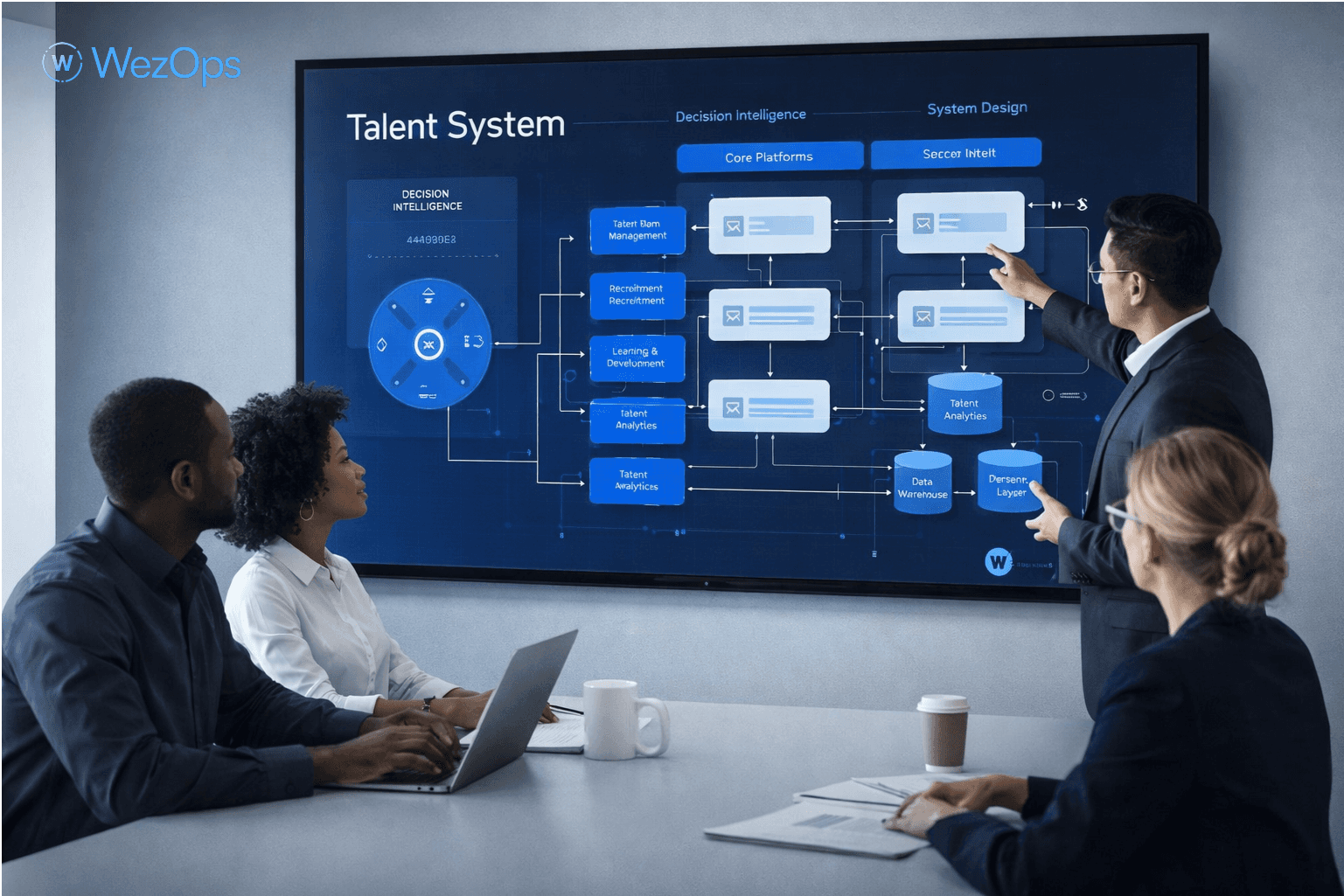
ATS as Part of a Bigger Talent System
In 2026, no ATS works alone.
The best teams connect their ATS to:
Sourcing and automation tools
Onboarding platforms
Workforce planning systems
HRIS and payroll
That’s how recruiting becomes part of a true talent operations system where hiring data informs workforce strategy, and automation reduces manual HR work.
Your ATS is the engine of hiring, but the value comes from how well it connects to everything around it.
FAQs
What is an ATS and why is it important?
An ATS (Applicant Tracking System) is software that helps manage job postings, applications, interviews, and hiring decisions. In 2026, it’s important because it connects hiring with automation, analytics, and wider HR systems.
Which ATS is best for small businesses?
Tools like Workable and Lever are popular as applicant tracking systems for small companies because they’re simple, affordable, and quick to set up.
What’s the difference between ATS and CRM in recruiting?
An ATS manages active applicants for open roles. A recruiting CRM helps build long-term relationships with candidates, even when there’s no open job.
Why Managing Your ATS Matters More Than Choosing It
Choosing from the top ATS platforms is only half the battle. The real challenge is running it well.
Most teams struggle not because their applicant tracking software is bad, but because:
Workflows aren’t optimized
Automations aren’t fully used
Reporting is messy or ignored
Recruiters and managers don’t use it consistently
That’s where operational expertise becomes more important than software features.
How Wezops Helps You Win With Your ATS
At some point, every growing organization realizes this:
Owning an ATS is easy, but running it well is hard.
Wezops.io specializes in talent operations. We help teams design, manage, and optimize the systems that sit behind hiring. That includes your ATS, but also how it connects to sourcing tools, onboarding platforms, HR systems, and automation workflows.
Wezops doesn’t sell software. We help you make the software you already have actually work:
Designing clean, efficient ATS workflows
Setting up automation that saves recruiters time
Building reporting leaders actually use
Connecting your ATS to the rest of your talent stack
If your ATS feels messy, underused, or confusing, it’s not a software problem, it’s an operations problem and that’s exactly what Wezops exists to solve.
You don’t need another platform. You need a system that works, and a team that knows how to run it. Contact WezOps today!
Related Articles